

Morocco Sahara Desert: Everything You Need to Know Before You Go
Planning to visit the Morocco Sahara Desert? From golden sand dunes and camel rides to traditional desert camps and unforgettable sunsets, the Sahara is one of the most memorable experiences you can have in Morocco.
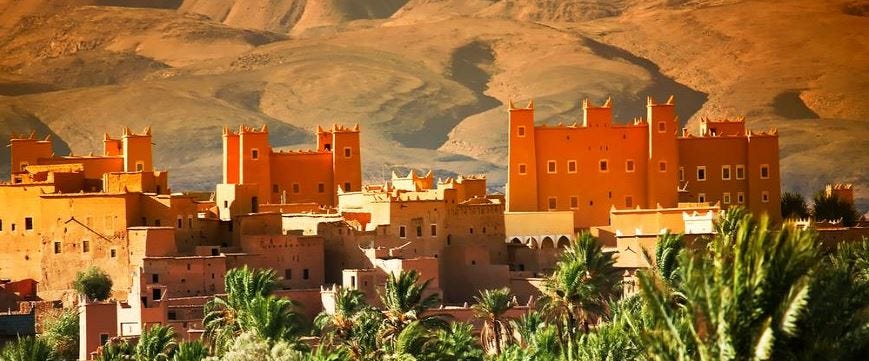
The Moroccan Sahara is not simply a place to see. It is a journey through changing landscapes, ancient kasbahs, mountain valleys, palm-filled oases, and remote communities. For many travelers, the journey toward the desert becomes just as memorable as the dunes themselves.
In this guide, you will discover everything you need to know before visiting the Morocco Sahara Desert, including where to go, how to get there, the best time to visit, what to pack, how long to stay, and what to expect from a desert tour.
Where Is the Morocco Sahara Desert?
The Sahara covers a huge part of North Africa, including southeastern Morocco.
When travelers talk about visiting the Sahara in Morocco, they often mean the desert regions around Merzouga and Erg Chebbi, where spectacular sand dunes create the classic Sahara landscape.
Other southern destinations, including Zagora and the areas around N’Kob and the Draa Valley, offer different desert landscapes and experiences.
The route you choose depends on how much time you have and whether you want to focus on sand dunes, culture, mountains, kasbahs, or a combination of all of them.
Merzouga and Erg Chebbi
Merzouga is one of the best-known gateways to the Moroccan Sahara.
The nearby Erg Chebbi dunes offer the classic desert scenery many travelers imagine when planning a Sahara adventure.
Here you can:
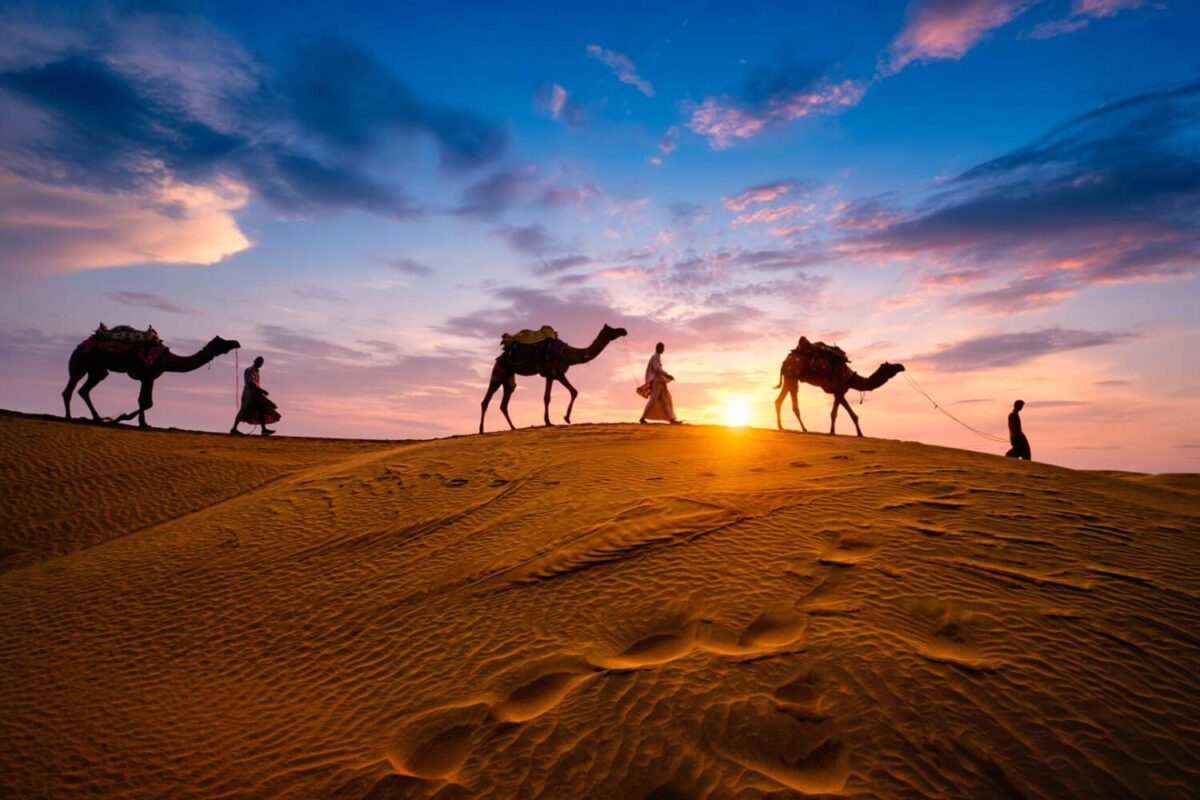
- Ride a camel through the dunes
- Watch the sunset from the sand
- Spend a night in a desert camp
- Enjoy traditional Moroccan dinner
- Listen to local music around a campfire
- Wake up early for sunrise
- Walk through the dunes
- Enjoy the incredible silence of the desert
- Experience the night sky away from city lights
For travelers visiting Morocco for the first time, Merzouga is a popular choice for experiencing the Sahara.
What Is a Morocco Sahara Desert Tour Like?
A Morocco Sahara Desert tour is usually more than simply visiting the dunes.
A multi-day journey from Marrakech or Fes can take you through some of southern Morocco’s most impressive landscapes.
Depending on your itinerary, you may travel through:
- The High Atlas Mountains
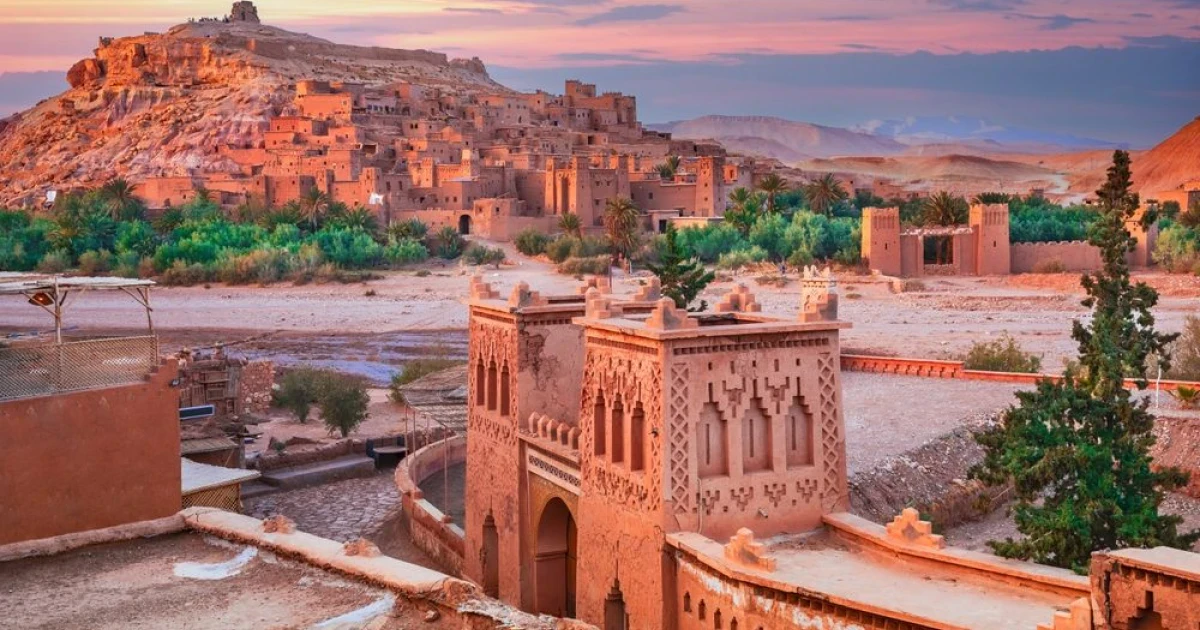
- Ait Ben Haddou
- Ouarzazate
- Dades Valley
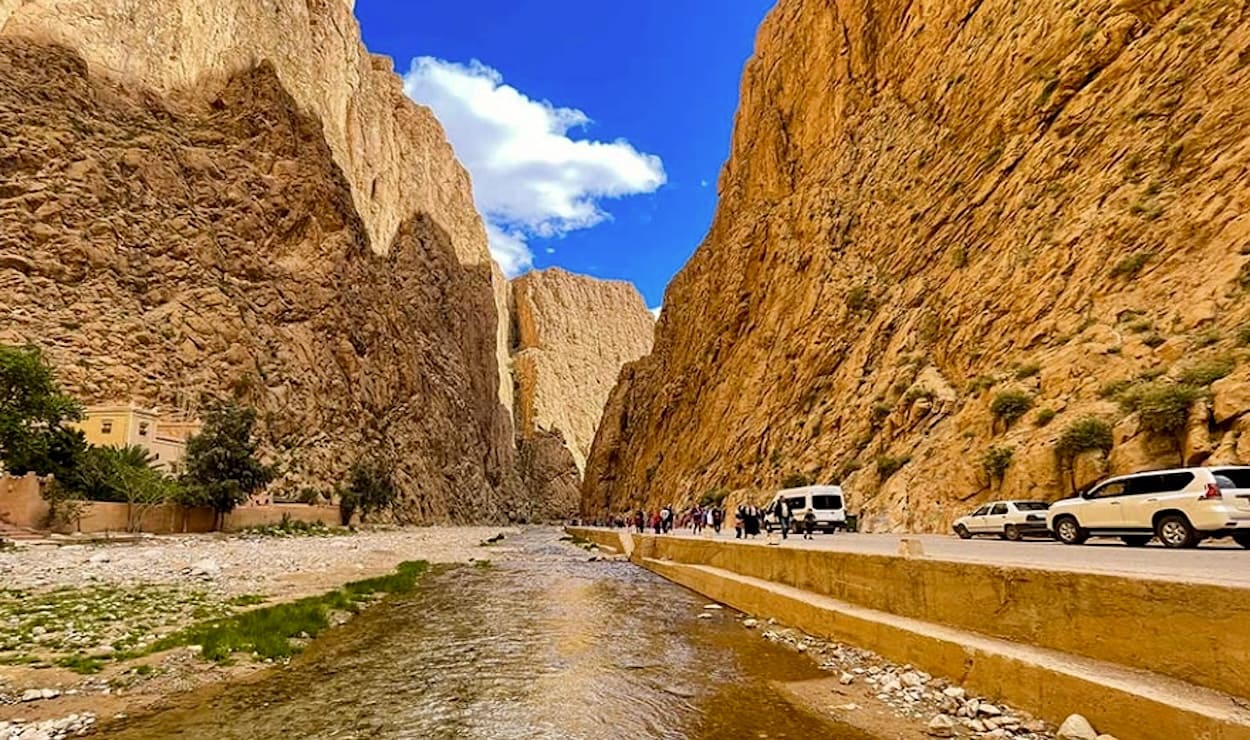
- Todra Gorge
- N’Kob
- The Draa Valley
- Merzouga
- Erg Chebbi
This is why a private desert tour can be particularly interesting. The journey allows you to stop along the way, explore villages, take photographs, meet local people, and discover places beyond the main tourist route.
How to Get to the Morocco Sahara Desert
From Marrakech
Marrakech is one of the most popular starting points for a Sahara adventure.
The journey toward Merzouga is long, so a desert trip from Marrakech should normally be planned over several days.
A typical route can include the Atlas Mountains, Ait Ben Haddou, Ouarzazate, Dades Valley, Todra Gorge, and finally Merzouga.
From Fes
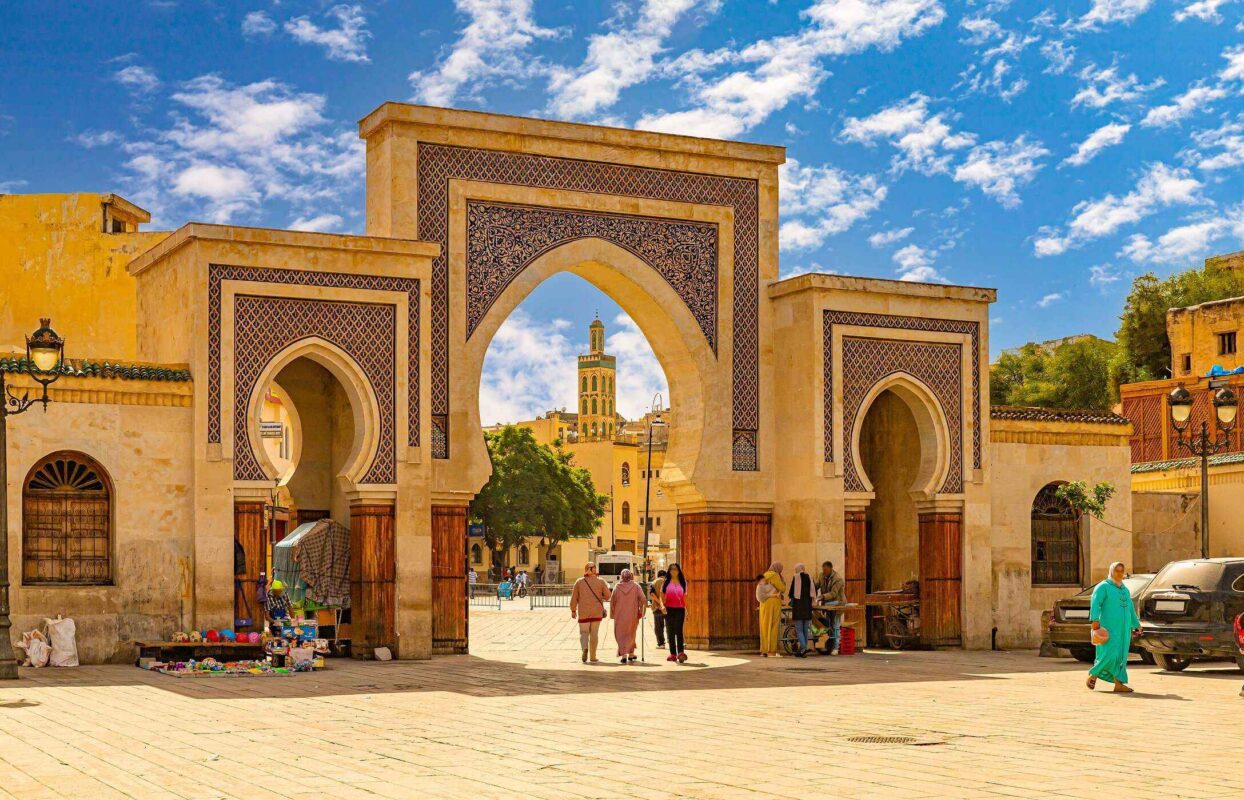
Fes is another popular starting point.
A journey from Fes toward the Sahara can include the Middle Atlas Mountains, cedar forests, traditional villages, the Ziz Valley, and finally the dunes around Merzouga.
From Casablanca
Travelers arriving in Casablanca can also include the Sahara in a longer Morocco itinerary.
Because of the distances involved, it is better to combine the desert with other Moroccan destinations rather than trying to make the journey too quickly.
How Many Days Do You Need in the Morocco Sahara Desert?
The ideal number of days depends on your route.
2 Days
A two-day trip can be possible from some starting points, but the schedule can be quite fast.
3 Days
Three days can provide a good introduction to the desert, particularly when traveling between Marrakech and Merzouga.
4 Days
Four days allows more time for southern Morocco and can provide a more relaxed experience.
5 Days or More
With five or more days, you can slow down and explore places such as N’Kob, the Draa Valley, Dades Valley, and other southern destinations instead of focusing only on the dunes.
For travelers who enjoy culture, landscapes, photography, and local experiences, spending more time in southern Morocco can make the journey much more rewarding.
Best Time to Visit the Morocco Sahara Desert
The Sahara can be visited throughout the year, but temperatures vary considerably by season.
Spring
Spring is a popular period for exploring Morocco. Days can be warm and nights in the desert can still be cool.
Summer
Summer temperatures in the Sahara can become extremely high, particularly during the middle of the day.
If you travel during summer, plan outdoor activities for early morning and late afternoon or evening and follow local advice regarding heat.
Autumn
September to November can offer comfortable conditions for exploring the desert and southern Morocco.
Winter
Winter days can be pleasant, but desert nights can become surprisingly cold.
Bring warm layers if you are camping in the Sahara during winter.
What to Expect From a Desert Camp
One of the highlights of a Morocco Sahara Desert experience is spending the night in a desert camp.
Depending on the camp you choose, accommodation can range from simple traditional tents to comfortable luxury camps with private facilities.
A typical evening may include:
- Arriving at the dunes
- Camel ride or transfer to camp
- Watching the sunset
- Traditional Moroccan dinner
- Music around the fire
- Looking at the stars
- Sleeping in the desert
- Watching sunrise the following morning
The experience can be very peaceful. After the activities and music finish, the desert becomes remarkably quiet.
Camel Ride in the Sahara
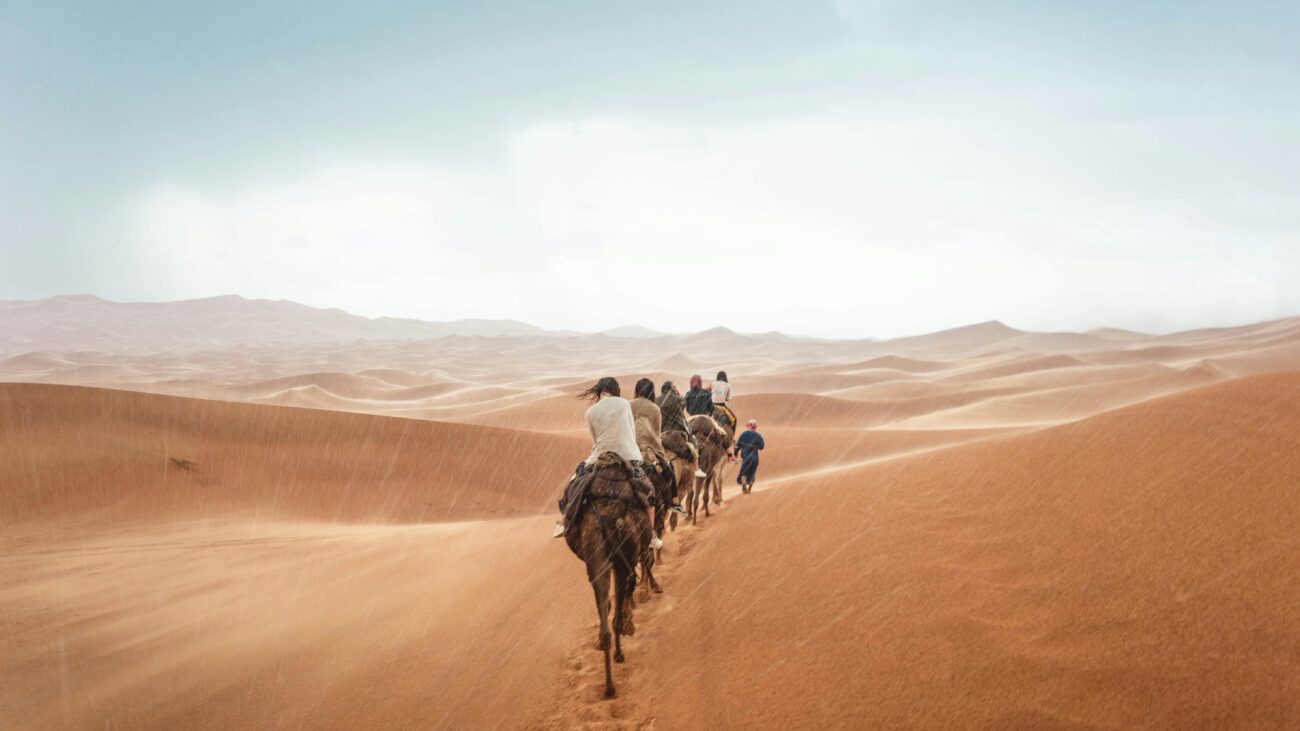
A camel ride is one of the most traditional ways to experience the dunes.
Most visitors ride around sunset or in the late afternoon, when the light becomes softer and temperatures are more comfortable.
The journey provides an opportunity to experience the landscape at a slower pace and watch the changing colors of the dunes.
Travelers who prefer not to ride a camel can usually reach the camp by another means, depending on the camp and itinerary.
What to Pack for the Morocco Sahara Desert
Packing correctly can make your desert experience much more comfortable.
Consider bringing:
- Comfortable walking shoes
- Lightweight clothing
- Sunglasses
- Sunscreen
- A hat or scarf
- Reusable water bottle
- Small backpack
- Phone or camera
- Power bank
- Warm jacket or layers
- Personal toiletries
- Any essential medication
For winter desert trips, warm clothing is especially important because temperatures can drop significantly after sunset.
What Should You Wear in the Sahara?
Lightweight and comfortable clothing is ideal during warm weather.
Loose-fitting clothes can help protect you from the sun and sand. A scarf can also be useful when traveling through desert areas.
For evenings and winter journeys, bring warmer layers.
Morocco is culturally diverse, and respectful clothing is recommended when visiting villages, religious sites, and local communities.
Is the Morocco Sahara Desert Safe?
The Moroccan Sahara is visited by travelers from around the world every year.
As with any destination, it is important to follow local guidance, stay hydrated, respect the environment, and use experienced local operators for desert activities.
Weather conditions can change, and desert travel is different from traveling in cities. Your driver or local guide can provide practical advice about conditions, routes, and activities.
Morocco Sahara Desert vs Agafay Desert
Travelers often confuse the Sahara with the Agafay Desert near Marrakech.
They offer different experiences.
Agafay Desert is much closer to Marrakech and is convenient for a day trip or overnight experience. It is known for rocky desert landscapes, camps, camel rides, quad biking, dinners, and sunset experiences.
The Morocco Sahara Desert, particularly around Merzouga and Erg Chebbi, requires a longer journey but offers the iconic large sand dunes associated with the Sahara.
If you have only one day near Marrakech, Agafay can fit easily into your itinerary.
If your dream is to experience enormous golden dunes and spend a night deep in the Sahara, plan a multi-day journey to the southeast.
What Else Can You See on the Way to the Sahara?
One of the biggest advantages of traveling overland to the Sahara is the variety of landscapes along the route.
Depending on your itinerary, you can discover:
Ait Ben Haddou
This famous fortified village is one of Morocco’s best-known kasbah sites.
Ouarzazate
Often associated with Morocco’s film industry, Ouarzazate is an important stop in southern Morocco.
Dades Valley
The valley is known for dramatic landscapes, rock formations, winding roads, and traditional villages.
Todra Gorge
Todra Gorge is famous for its towering limestone cliffs and spectacular mountain scenery.
N’Kob
N’Kob offers a different side of southern Morocco, with traditional kasbahs, palm groves, oasis landscapes, and Amazigh heritage.
Draa Valley
The Draa Valley stretches through a landscape of palm groves, villages, kasbahs, and desert scenery.
This combination of destinations makes the journey toward the Sahara an experience in itself.
How Much Does a Morocco Sahara Desert Tour Cost?
The cost of a desert tour depends on several factors, including:
- Number of days
- Number of travelers
- Accommodation category
- Private or shared transportation
- Desert camp standard
- Meals included
- Local guides
- Activities
- Starting and ending cities
Private tours generally offer greater flexibility because the itinerary can be adapted to the travelers’ interests and schedule.
Instead of choosing a tour based only on price, check what is actually included in the package, especially transportation, accommodation, meals, camp facilities, and activities.
How to Choose a Morocco Sahara Desert Tour
Before booking, consider these questions:
How many days do you have?
Longer itineraries allow you to explore more of southern Morocco.
Do you want a private or group tour?
Private travel offers greater flexibility, while group tours generally follow a fixed itinerary.
What type of desert camp do you want?
Choose between a traditional experience and a more comfortable luxury camp.
What destinations do you want to see?
Consider adding Ait Ben Haddou, Dades Valley, Todra Gorge, N’Kob, or the Draa Valley.
How much driving are you comfortable with?
A well-planned itinerary should balance driving with sightseeing and rest.
Experience the Sahara Beyond the Dunes
The Sahara is not only about sand.
It is also about the journey, the people, the music, the villages, the mountains, the oases, the ancient kasbahs, and the changing landscapes of southern Morocco.
Traveling through places such as N’Kob and the Saghro Mountains can introduce you to a quieter side of Morocco that many visitors never experience.
For travelers interested in culture and authentic experiences, taking time to meet local communities and learn about Amazigh traditions can add depth to a Sahara journey.
Why Travel With a Local Morocco Tour Operator?
A local tour operator can help you organize transportation, accommodation, desert camps, local guides, and activities while adapting the itinerary to your interests.
At DEFINITELY MOROCCO TOURS, we create private Morocco journeys for travelers who want to experience the country at their own pace.
From Marrakech to the Atlas Mountains, through the kasbahs and valleys of southern Morocco, to the Sahara Desert, our itineraries can be customized around your travel style.
Whether you are looking for a private Sahara adventure, a luxury desert camp, an authentic Amazigh experience, or a longer journey through southern Morocco, we can help you create an itinerary that goes beyond the standard tourist route.
Frequently Asked Questions About the Morocco Sahara Desert
Where is the Sahara Desert in Morocco?
The Moroccan Sahara extends across the southeastern part of the country. Merzouga and the Erg Chebbi dunes are among the most popular areas for visitors.
What is the best place to visit the Sahara in Morocco?
Merzouga and Erg Chebbi are among the most popular destinations for experiencing large sand dunes and desert camps.
How many days should I spend in the Morocco Sahara Desert?
Three to four days is a common choice for a first desert journey, while longer trips allow you to explore southern Morocco at a slower pace.
Can I visit the Sahara from Marrakech?
Yes. Marrakech is a popular starting point for multi-day journeys to the Sahara, but the distance means that the trip should not be treated as a simple day excursion.
Is the Sahara cold at night?
Yes. Desert temperatures can drop significantly after sunset, especially during autumn and winter. Warm layers are recommended.
Can I visit the Sahara without riding a camel?
Yes. Depending on your accommodation and itinerary, alternative transportation to the desert camp may be available.
What is the difference between Agafay and the Sahara?
Agafay is a rocky desert area near Marrakech, while the southeastern Sahara around Merzouga is known for large sand dunes. They provide different types of desert experiences.
Final Thoughts
The Morocco Sahara Desert is more than a destination at the end of a road. It is part of a much bigger journey through mountains, valleys, kasbahs, oases, villages, and desert landscapes.
Take your time. Watch the sunset over the dunes. Wake up before sunrise. Share tea with local people. Listen to traditional music. Walk quietly through the sand.
And if you have the time, go beyond the famous dunes and discover the southern Morocco that connects the Sahara with the Atlas Mountains and the Amazigh communities that have called this land home for generations.
Your Sahara adventure begins with the journey.