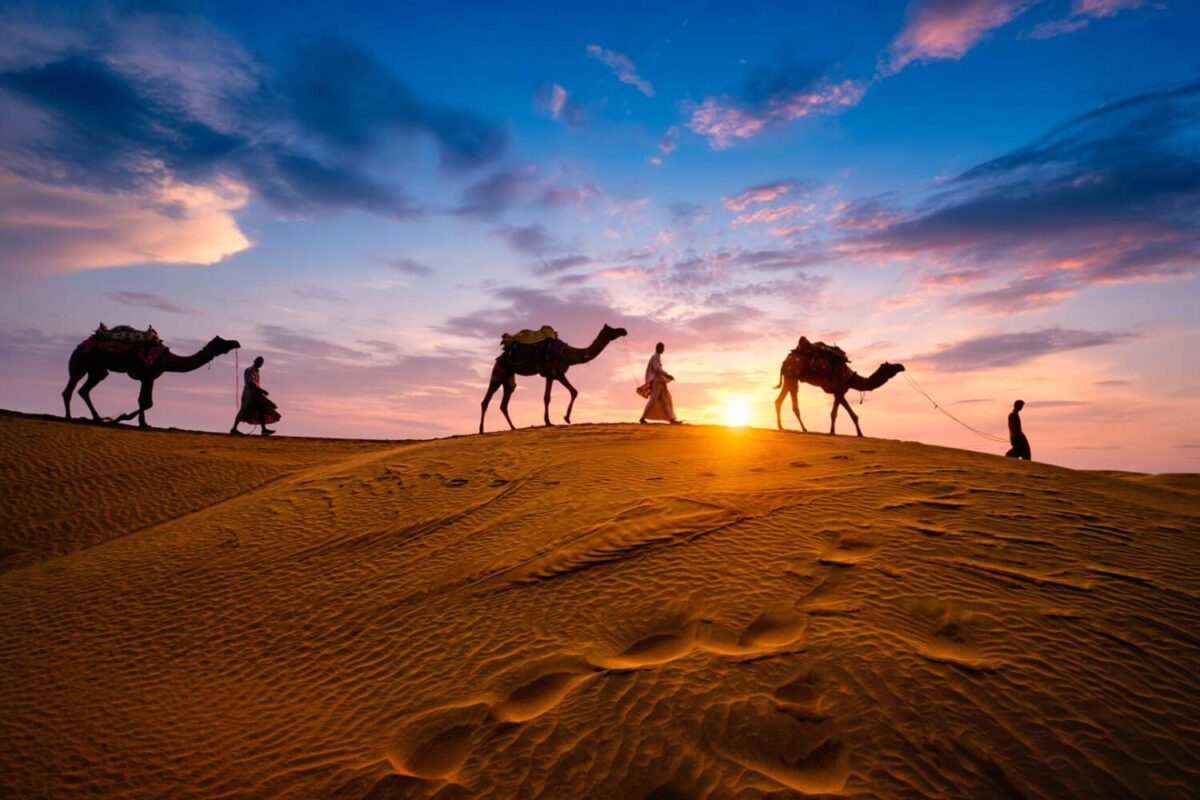


Best Time to Visit Morocco: A Complete Month-by-Month Guide
Wondering about the best time to visit Morocco? Morocco is a year-round destination with diverse landscapes, from the lively streets of Marrakech and the High Atlas Mountains to the Atlantic coast and the Sahara Desert. However, the best month for your trip depends on what you want to experience.
For most travelers, spring and autumn are among the best times to visit Morocco, thanks to comfortable temperatures and excellent conditions for exploring cities, mountains, desert landscapes and the coast.
In this guide, we’ll explain the weather in Morocco throughout the year, the best months for the Sahara Desert, Marrakech, the Atlas Mountains and day trips from Marrakech, plus practical advice to help you choose the perfect time for your Moroccan adventure.
When Is the Best Time to Visit Morocco?
The best time to visit Morocco is generally from March to May and September to November. During these months, temperatures are usually comfortable for sightseeing, road trips, hiking and exploring Morocco’s diverse landscapes.
Spring brings green valleys, blooming landscapes and pleasant temperatures, while autumn offers warm days and cooler evenings.
However, Morocco is a large country, so the ideal time depends on your itinerary.
- March to May: Excellent for cities, mountains and outdoor activities
- June: Good for the mountains and northern Morocco, while inland areas become hotter
- July and August: Very hot in Marrakech and southern Morocco, but attractive for the Atlantic coast and higher mountains
- September to November: Excellent for Marrakech, the Sahara and road trips
- December to February: Great for cultural trips, Marrakech and winter sun, with colder nights in the desert and mountains
Best Time to Visit Morocco by Season
Spring in Morocco: March to May
Spring is one of the most beautiful seasons to explore Morocco.
Temperatures are generally comfortable, making it an excellent time for walking through Marrakech’s Medina, exploring the Atlas Mountains and taking road trips through southern Morocco.
The countryside can also be especially beautiful in spring, with greener valleys and pleasant conditions for outdoor activities.
This is also a great period for day trips from Marrakech, including visits to the Ourika Valley, the High Atlas Mountains, Ouzoud Waterfalls and the Agafay Desert.
Summer in Morocco: June to August
Summer can be extremely hot in inland cities such as Marrakech, particularly during July and August.
However, that does not mean you should avoid Morocco in summer.
The Atlantic coast, including Essaouira and Agadir, can offer cooler conditions. The High Atlas Mountains are also a good choice if you want to escape the heat.
If you visit Marrakech during summer, plan outdoor activities early in the morning or later in the afternoon.
For example, an early day trip from Marrakech to the Atlas Mountains can be much more comfortable than spending the hottest part of the day in the city.
Autumn in Morocco: September to November
Autumn is another excellent season to visit Morocco.
Temperatures become more comfortable after the summer heat, making September, October and November popular months for travelers.
It is an excellent period for combining:
- Marrakech
- Atlas Mountains
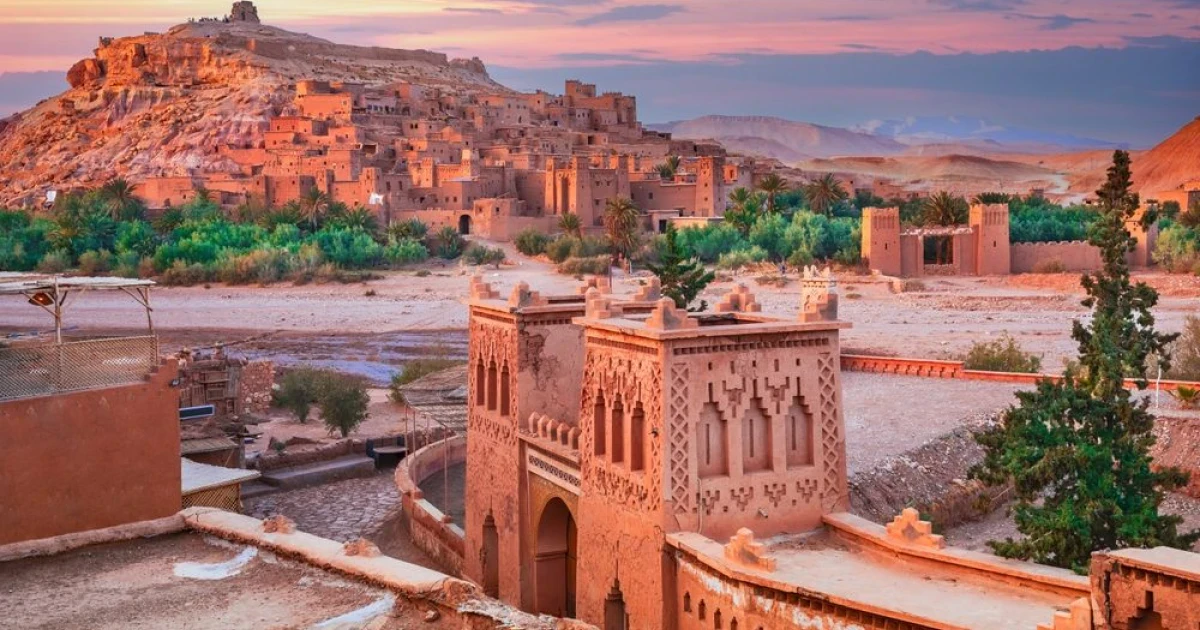
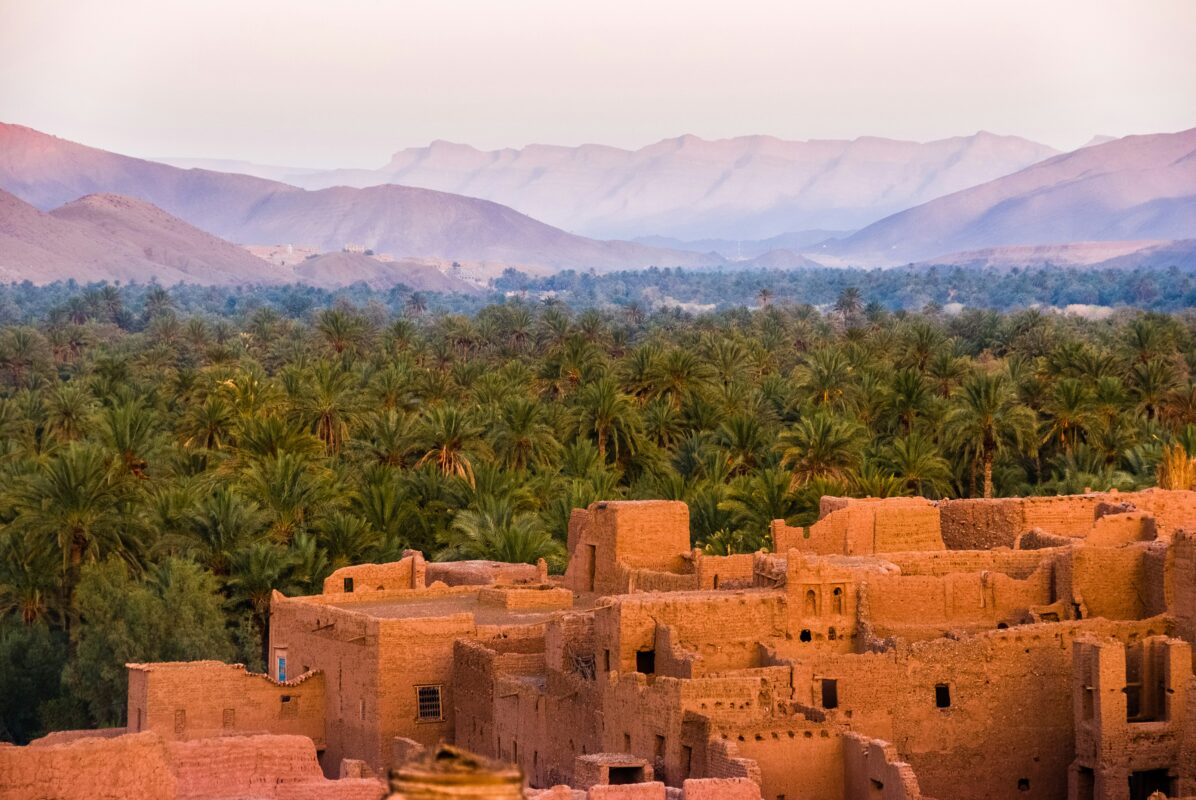
- Ait Ben Haddou
- Dades Valley
- Todra Gorge
- Merzouga
- Fes
- Chefchaouen
Autumn is particularly attractive for travelers planning a Morocco desert tour because daytime temperatures in the Sahara become more comfortable.
Winter in Morocco: December to February
Winter is often overlooked, but it can be a fantastic time to visit Morocco.
Marrakech can have pleasant sunny days, while the evenings and nights are cooler.
The Sahara Desert can also be beautiful in winter, although temperatures can become very cold at night. If you plan to sleep in a desert camp, bring warm clothing.
Winter is also an interesting season for the Atlas Mountains, where snow can cover the higher peaks.
If you prefer fewer crowds and comfortable daytime temperatures in Marrakech, winter can be a good choice.
Best Time to Visit Morocco for the Sahara Desert
If experiencing the Sahara Desert is one of your main goals, consider traveling between October and April, with spring and autumn being particularly comfortable.
During summer, temperatures in the desert can become extremely high.
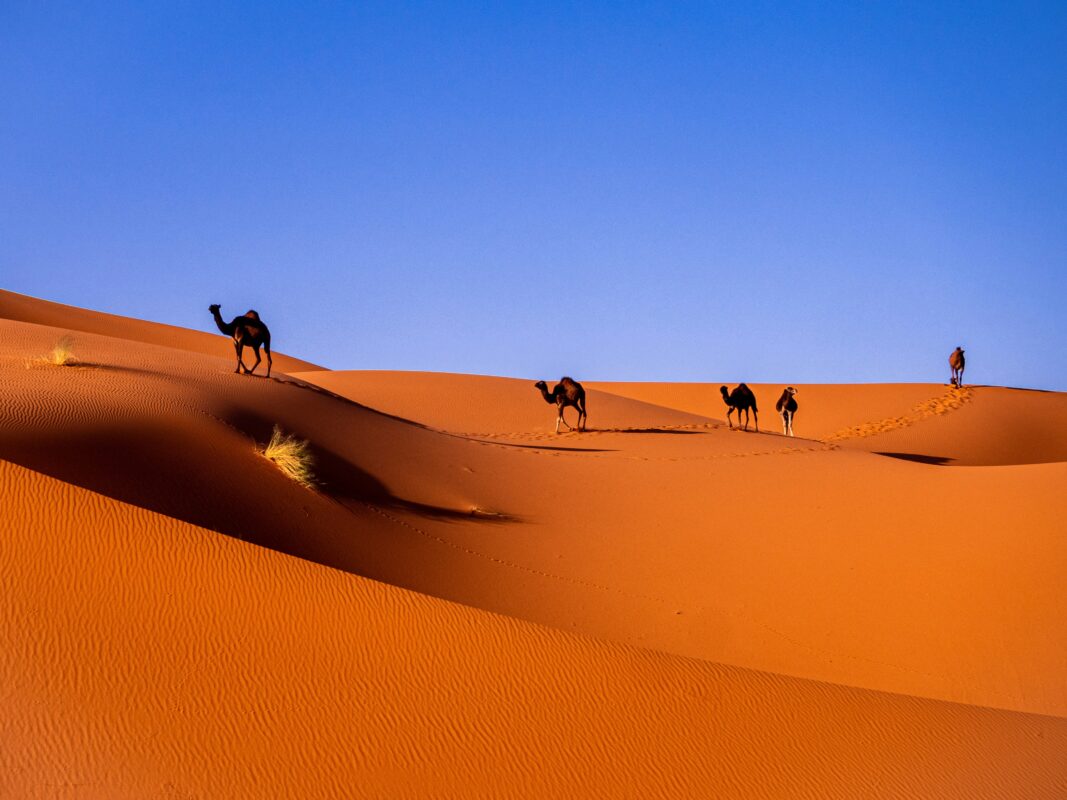
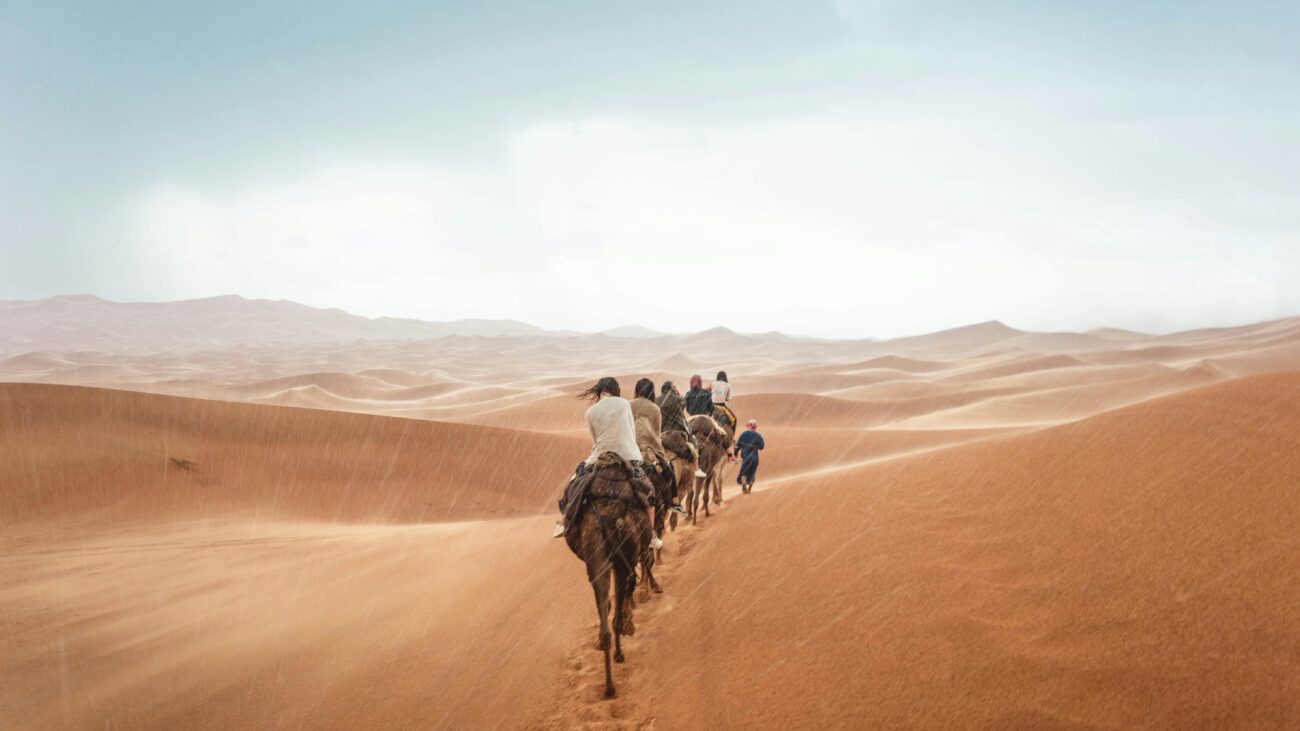
October, November, March and April are especially attractive for travelers who want to enjoy camel rides, desert sunsets and nights under the stars without the intense summer heat.
A typical Sahara experience can include:
- Camel trekking
- Sunset over the dunes
- Traditional Moroccan dinner
- Berber/Amazigh music
- Sleeping in a desert camp
- Sunrise over the Sahara
- Stargazing
For a more comfortable experience, choose a private itinerary that allows enough time to enjoy the desert instead of rushing from one destination to another.
Best Time to Visit Marrakech
Marrakech can be visited throughout the year, but spring and autumn are particularly comfortable.
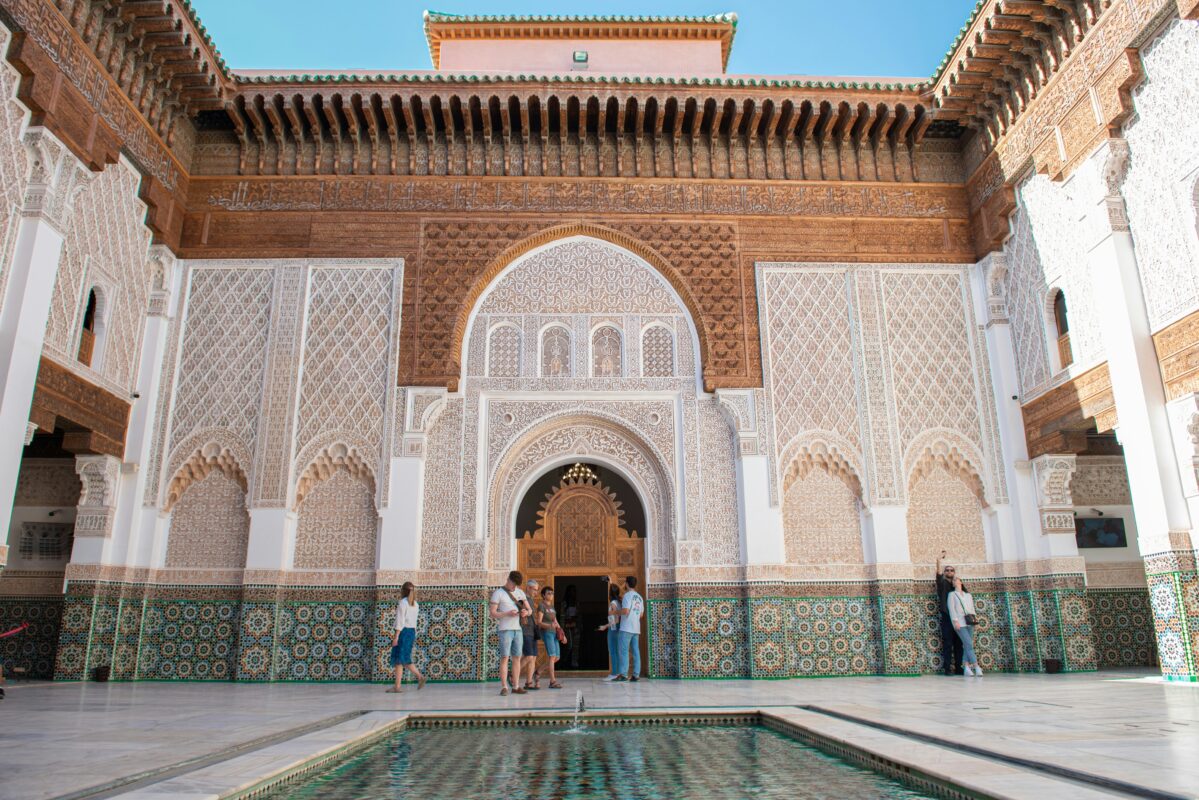
March, April, May, September, October and November are excellent months for exploring the Medina, souks, palaces, gardens and surrounding landscapes.
Summer is hotter, but you can still enjoy Marrakech by planning your activities around the heat.
A good summer strategy is to explore the city early in the morning, relax during the hottest hours and enjoy the Medina, rooftop restaurants or a traditional Moroccan dinner later in the day.
Best Time for Day Trips from Marrakech
One of the biggest advantages of visiting Marrakech is the variety of landscapes accessible from the city.
Depending on the season, you can enjoy different day trips from Marrakech, including the Atlas Mountains, Ourika Valley, Agafay Desert, Ouzoud Waterfalls and Essaouira.
Ourika Valley
The Ourika Valley is one of the easiest mountain escapes from Marrakech.
Spring is particularly beautiful because the valley can be greener, while summer offers a refreshing escape from the heat of Marrakech.
Atlas Mountains
The Atlas Mountains are ideal for travelers who want hiking, mountain scenery and authentic Amazigh village experiences.
Spring and autumn are generally excellent for hiking and exploring the valleys.
Agafay Desert
Agafay is a rocky desert landscape located relatively close to Marrakech.
It is especially popular for sunset experiences, camel rides, quad biking, dinner shows and overnight stays.
Because it is close to the city, it can be a convenient option when you don’t have enough time for a Sahara Desert trip.
Ouzoud Waterfalls
Ouzoud Waterfalls make another memorable excursion from Marrakech.
Spring and early summer can be particularly attractive for seeing the waterfalls and surrounding landscape.
Essaouira
If you want to escape the heat, Essaouira is an excellent choice.
The Atlantic coast has a completely different atmosphere from Marrakech, with ocean views, a historic medina, seafood restaurants and a refreshing coastal breeze.
Essaouira is around a few hours from Marrakech by road and works well as a full-day excursion.
Best Time to Visit Morocco for Hiking
If hiking is an important part of your trip, spring and autumn are generally the most comfortable seasons.
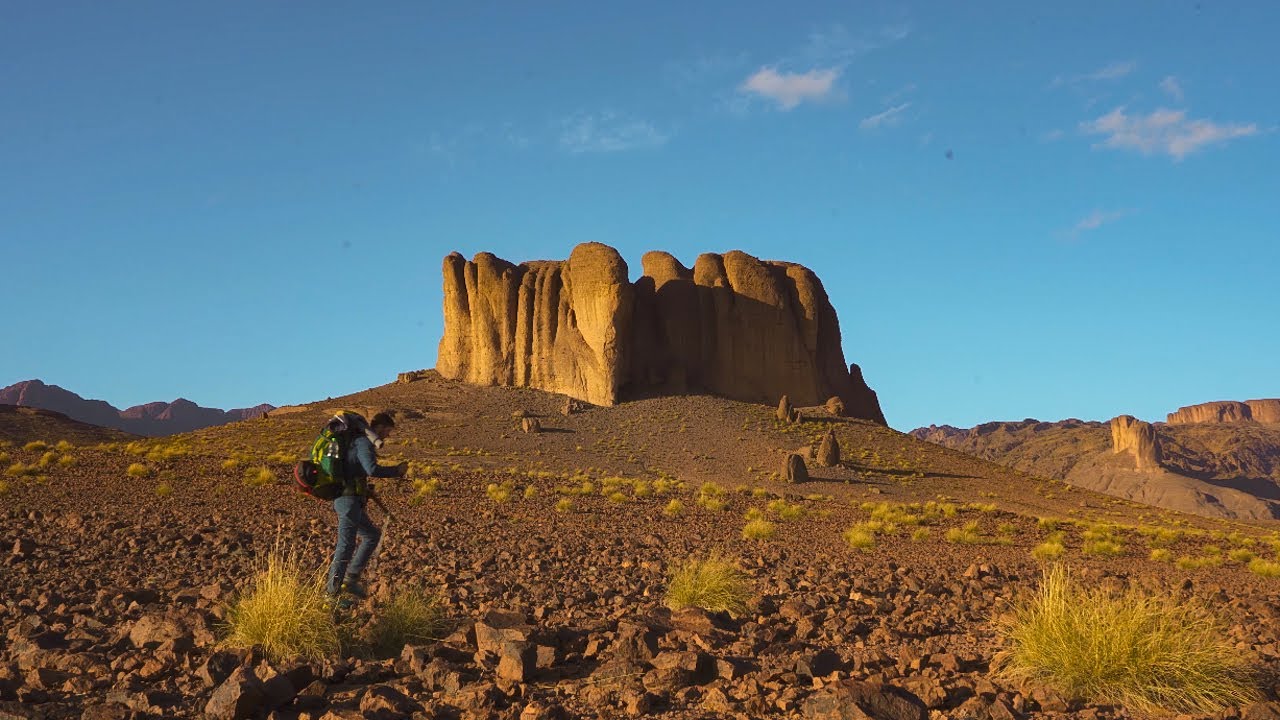
The High Atlas offers spectacular scenery, traditional Amazigh villages and hiking routes ranging from easy walks to challenging mountain treks.
For serious mountain trekking, conditions vary significantly depending on altitude and the specific route, so check local conditions before traveling.
Best Time to Visit Morocco for a Road Trip
A Morocco road trip is one of the best ways to experience the country’s changing landscapes.
A comfortable itinerary can take you from:
Marrakech → High Atlas → Ait Ben Haddou → Ouarzazate → Dades Valley → Todra Gorge → Merzouga → N’Kob → Marrakech
Spring and autumn are particularly good for this type of journey because temperatures are generally more comfortable for long drives and outdoor sightseeing.
One of the most rewarding parts of traveling through southern Morocco is seeing how quickly the landscape changes from mountains to valleys, kasbahs and desert.
Is Morocco Worth Visiting in July and August?
Yes.
Although July and August can be very hot in Marrakech and southern Morocco, Morocco can still be an excellent summer destination.
If you travel during these months:
- Start sightseeing early
- Take breaks during the hottest hours
- Visit the Atlantic coast
- Explore the High Atlas
- Choose accommodations with a pool
- Plan desert activities around sunrise and sunset
- Drink plenty of water
For travelers who dislike extreme heat, spring and autumn are usually better choices.
Cheapest Time to Visit Morocco
The cost of a Morocco trip can vary depending on accommodation, flights, destination and travel dates.
Traveling outside the busiest periods can sometimes offer better availability and value, while major holidays and peak travel periods can increase demand.
If your dates are flexible, compare accommodation and flight prices across several months before booking.
Best Time to Visit Morocco: Month-by-Month
| Month | Weather | Best For |
|---|---|---|
| January | Cool, sunny days in many areas | Marrakech, culture, winter sun |
| February | Mild in many cities | Marrakech, cities, early spring landscapes |
| March | Pleasant | Cities, mountains, road trips |
| April | Excellent | Sahara, Atlas, Marrakech |
| May | Warm and comfortable | Morocco tours, hiking, desert |
| June | Increasingly hot | Mountains, coast |
| July | Very hot inland | Coast, mountains |
| August | Very hot inland | Atlantic coast, mountains |
| September | Warm and improving | Marrakech, desert, road trips |
| October | Excellent | Sahara, cities, mountains |
| November | Mild and comfortable | Marrakech, desert, cultural tours |
| December | Cool evenings | Marrakech, cities, desert |
So, What Is the Best Month to Visit Morocco?
If you want the simplest answer, choose April, May, October or November.
These months offer an excellent balance between comfortable weather and the opportunity to experience several regions of Morocco during one trip.
But there is no single perfect month for everyone.
Your ideal travel period depends on whether you want to explore the cities, hike in the mountains, relax on the coast, experience the Sahara or combine everything in one private Morocco itinerary.
Plan Your Morocco Adventure With a Local Tour Company
Morocco is much more than Marrakech.
From the Atlas Mountains and ancient kasbahs to the Draa Valley, N’Kob, Saghro Mountains and Sahara Desert, every region has its own character and stories.
At Definitely Morocco Tours, we create private Morocco experiences designed around your interests, travel dates and pace.
Whether you are looking for day trips from Marrakech, an Atlas Mountains experience, an Agafay Desert adventure or a longer journey to the Sahara, we can help you build a route that goes beyond the usual tourist itinerary.
Ready to discover Morocco? Contact Definitely Morocco Tours and start planning your journey.
Frequently Asked Questions
What is the best month to visit Morocco?
April, May, October and November are among the best months for comfortable temperatures and exploring several regions of Morocco.
What is the best time to visit the Sahara Desert?
October through April is generally more comfortable than the hot summer months, with spring and autumn being especially attractive.
Is Morocco too hot in July and August?
Some inland areas can be extremely hot during July and August, particularly Marrakech and southern Morocco. The Atlantic coast and higher mountain areas can be more comfortable.
What are the best day trips from Marrakech?
Popular day trips from Marrakech include the Ourika Valley, Atlas Mountains, Agafay Desert, Ouzoud Waterfalls and Essaouira. The best choice depends on the season and the type of experience you want.
Can I visit Morocco in winter?
Yes. Winter can be an excellent time to visit Marrakech and Morocco’s cities, although nights can be cold in the Sahara and mountains.
How many days do I need in Morocco?
For a first trip, 7 to 10 days is a good starting point. With more time, a 12- to 14-day itinerary allows you to explore Marrakech, the Atlas Mountains, Sahara, Fes and northern Morocco at a more relaxed pace.