

Morocco Travel Guide: Everything You Need to Know Before Visiting
Planning a trip to Morocco? This Morocco travel guide covers everything you need to know before visiting, from the best places to visit and the ideal time to travel to transportation, food, culture, desert tours, packing tips, and practical travel advice.
Morocco is a country of extraordinary contrasts. In one journey, you can explore the colorful streets of Marrakech, walk through ancient medinas, cross the Atlas Mountains, discover traditional Amazigh villages, sleep under the stars in the Sahara Desert, and finish your trip beside the Atlantic Ocean.
Whether you are planning your first visit or looking for a more authentic experience away from the main tourist routes, this guide will help you prepare for your Moroccan adventure.
Why Visit Morocco?
Morocco offers an unusual combination of landscapes, cultures, history, and experiences within a relatively compact country.
You can enjoy:
- Historic imperial cities and ancient medinas
- The Atlas Mountains and mountain villages
- The Sahara Desert and its golden dunes
- Traditional Moroccan and Amazigh culture
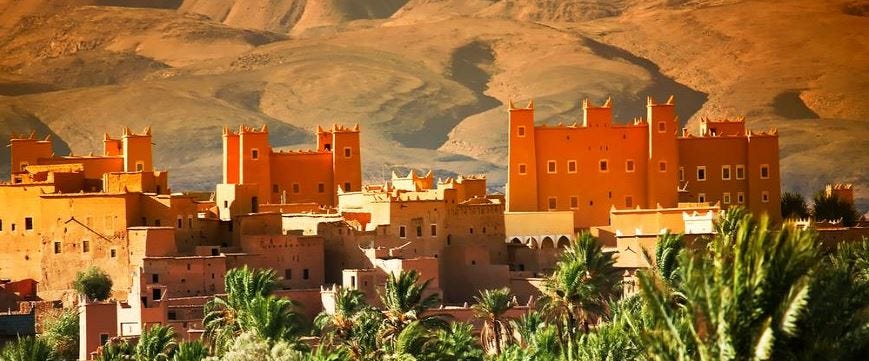
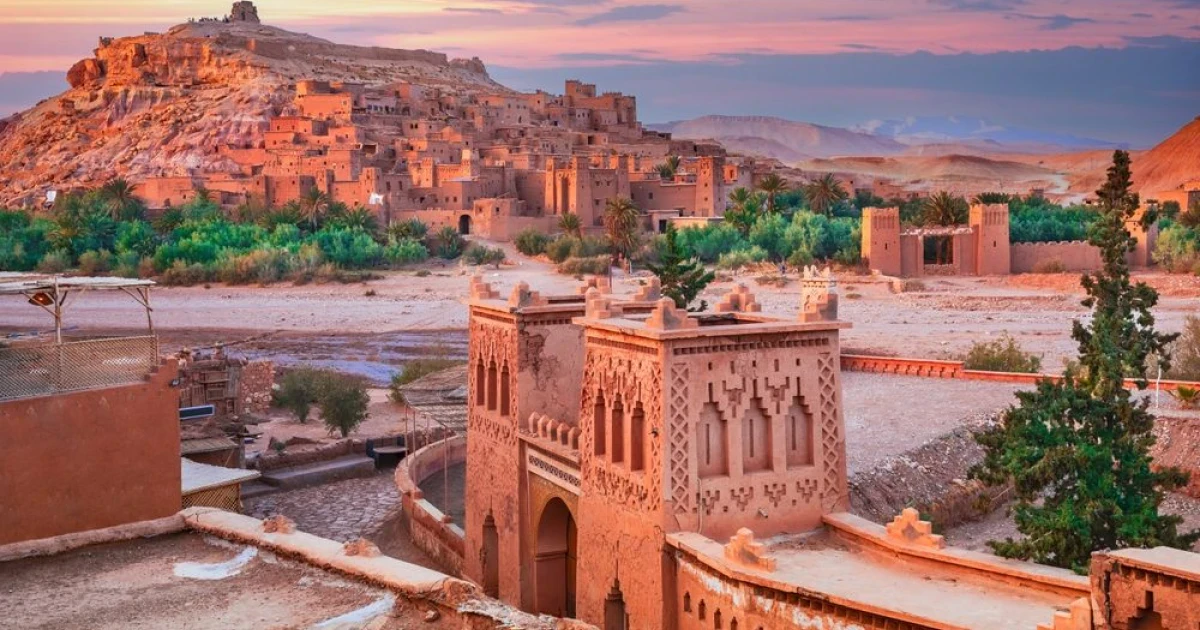
- Ancient kasbahs and fortified villages
- Atlantic coastal towns such as Essaouira
- Moroccan cuisine, mint tea, and local markets
- Hiking, camel rides, desert camping, and outdoor adventures
For travelers who want more than sightseeing, Morocco is also a destination where meeting local people and experiencing everyday traditions can become an important part of the journey.
Best Places to Visit in Morocco
There are many destinations worth including in your itinerary. The right combination depends on how many days you have and what type of experience you want.
Marrakech
Marrakech is one of Morocco’s most popular destinations and an excellent starting point for a first trip.
Explore the medina, visit the famous souks, discover historic palaces and gardens, and enjoy Moroccan food on a rooftop overlooking the old city.
Marrakech is also an excellent base for day trips from Marrakech, including the Atlas Mountains, Ourika Valley, Agafay Desert, and Essaouira.
Fes
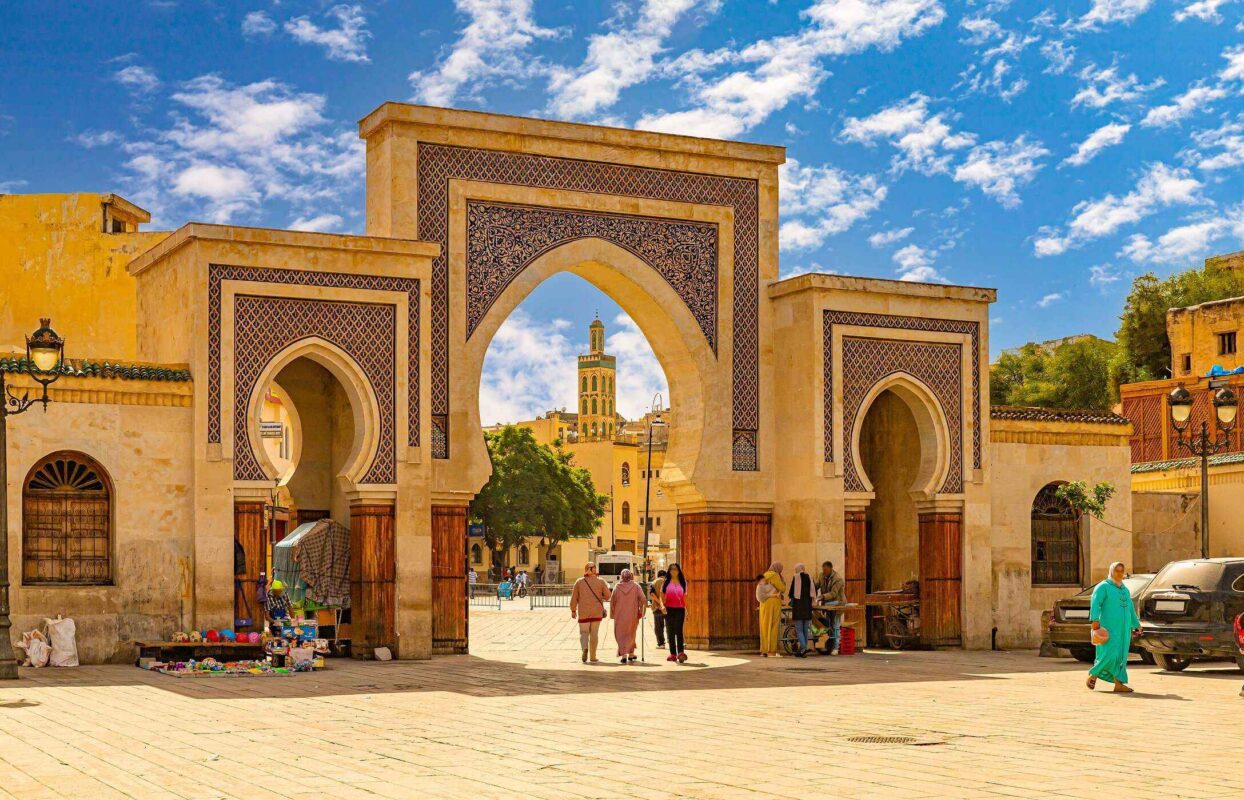
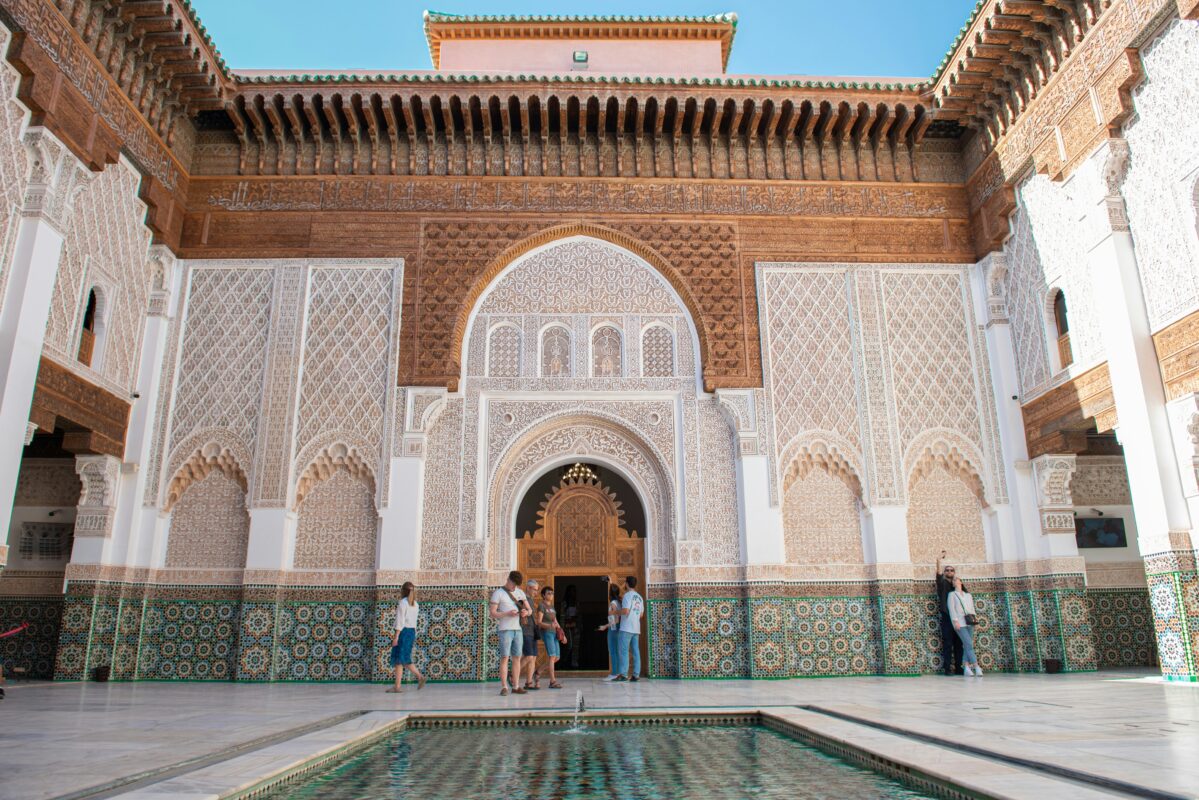
Fes is known for its historic medina, traditional crafts, architecture, and long cultural history.
The old city is a fascinating place to explore on foot, with narrow streets, traditional workshops, mosques, madrasas, and markets.
Chefchaouen
Known for its distinctive blue-painted streets, Chefchaouen is located in northern Morocco among the Rif Mountains.
It is particularly popular with photographers and travelers looking for a slower atmosphere and beautiful mountain scenery.
Sahara Desert and Merzouga
A Morocco trip is often incomplete for travelers who want to experience the desert without visiting the Sahara.
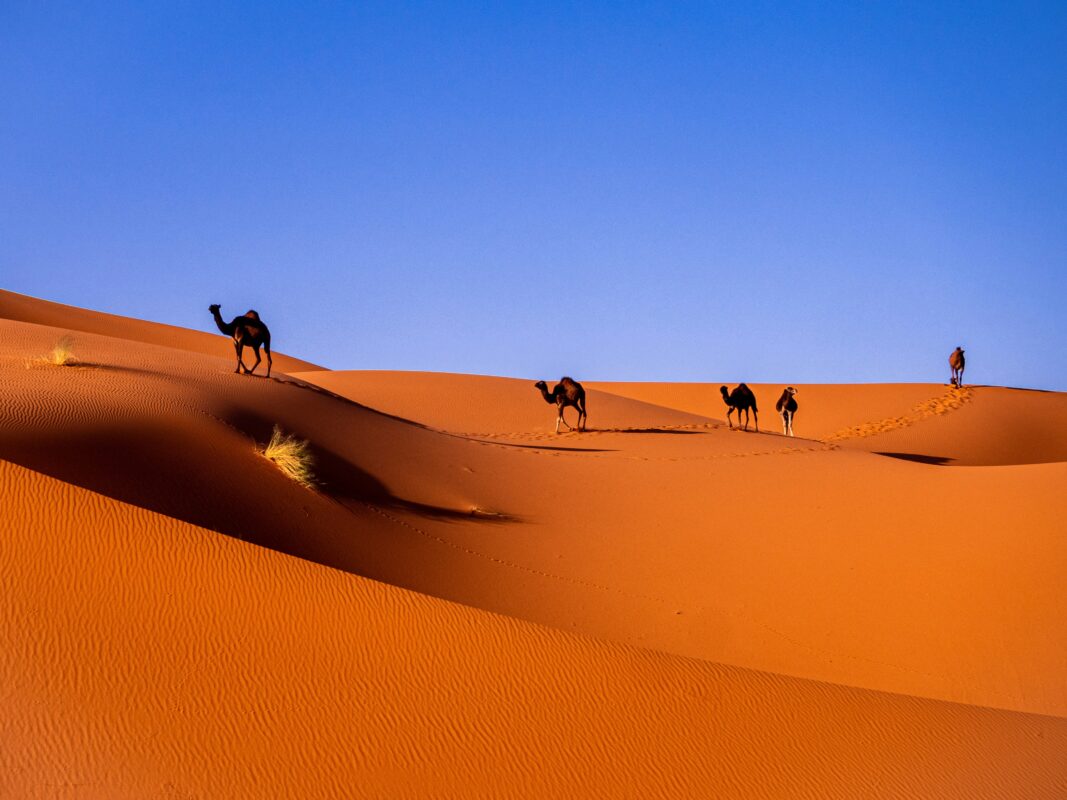
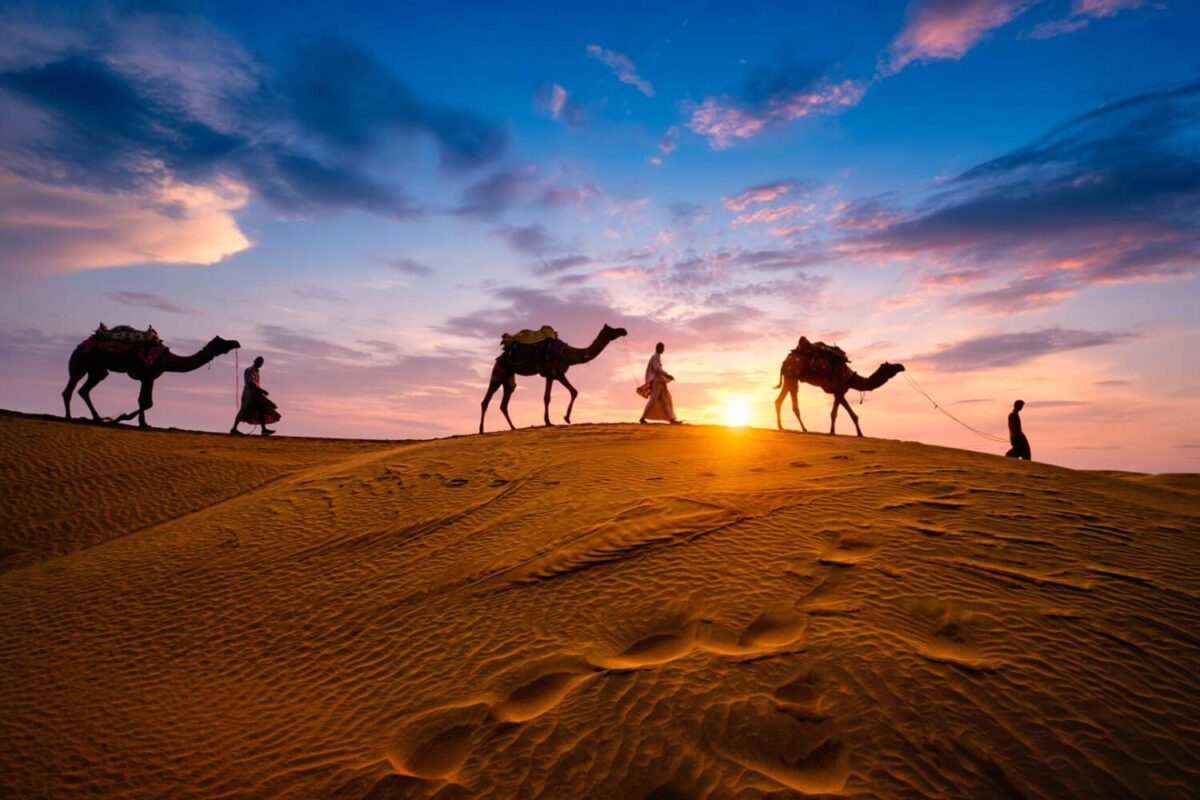
Merzouga is one of the country’s best-known gateways to the Erg Chebbi dunes. Visitors can enjoy a camel ride at sunset, spend the night in a desert camp, and wake up to the sunrise over the dunes.
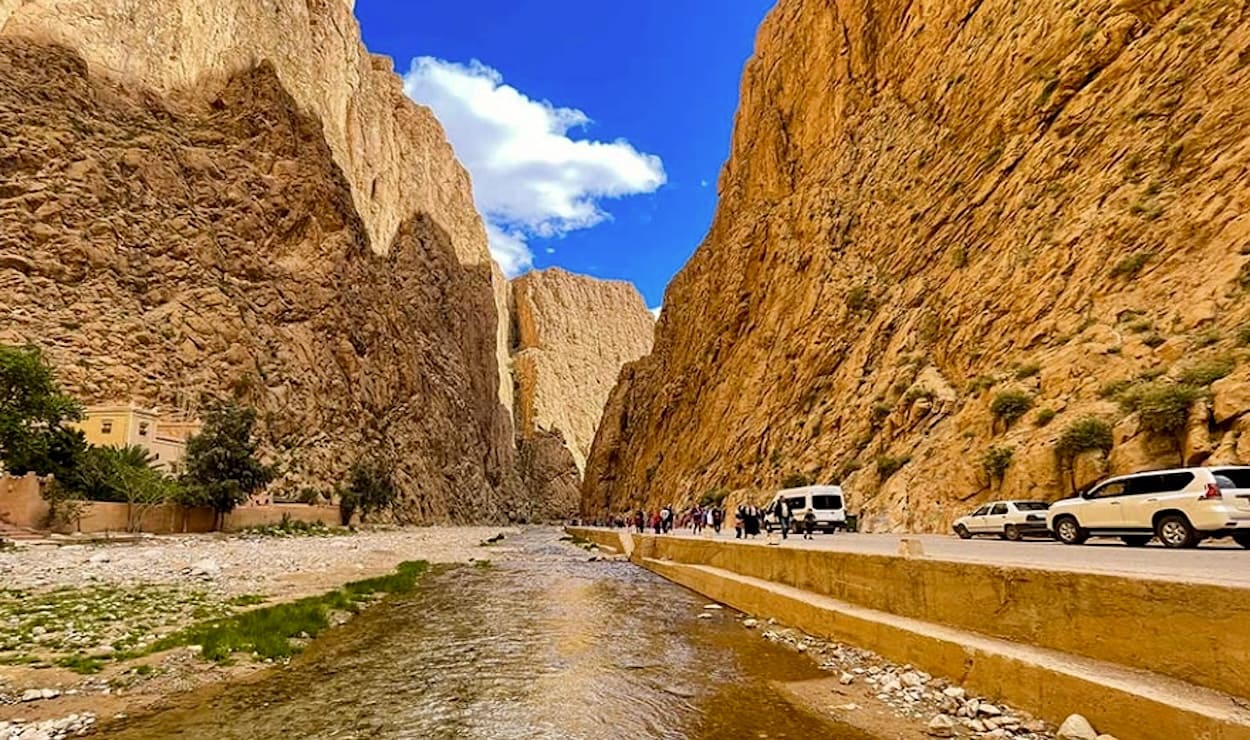
A private Morocco desert tour can also combine the Sahara with destinations such as Ait Ben Haddou, Ouarzazate, Dades Valley, Todra Gorge, and N’Kob.
N’Kob
For travelers looking for a quieter and more authentic experience, N’Kob is a fascinating destination in southern Morocco.
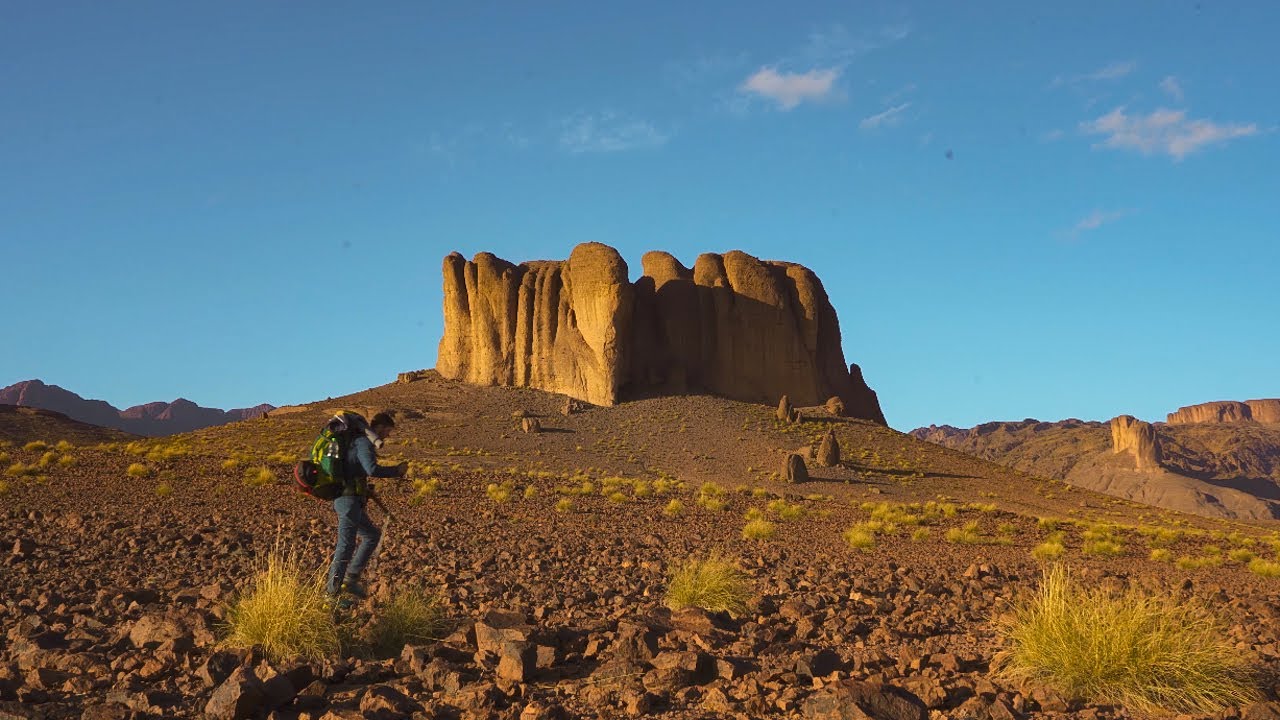
The village is surrounded by the dramatic Saghro Mountains and is known for its traditional kasbahs, palm groves, oasis landscapes, and Amazigh heritage.
N’Kob can be an excellent stop between the Sahara and Marrakech, particularly for travelers interested in discovering southern Morocco beyond the major tourist routes.
Essaouira
Essaouira offers a completely different atmosphere from Marrakech and the desert.
The historic medina, Atlantic Ocean, fishing port, beaches, seafood, and relaxed atmosphere make it a popular addition to a Morocco itinerary.
Best Time to Visit Morocco
Morocco can be visited throughout much of the year, but the ideal period depends on where you want to go.
Spring
March to May is generally a pleasant period for exploring cities, mountains, and southern Morocco.
Temperatures are often comfortable for sightseeing and outdoor activities.
Summer
June to August can be very hot in inland and desert areas, especially during the middle of the day.
The Atlantic coast can be a good alternative during the summer, with destinations such as Essaouira offering cooler conditions.
If you travel through the Sahara during summer, planning activities around the cooler morning and evening hours is particularly important.
Autumn
September to November is another popular period for exploring Morocco.
Temperatures generally become more comfortable, making it a good season for combining cities, mountains, and desert destinations.
Winter
December to February can be a great time for visiting Marrakech and the south of Morocco.
The days can be pleasant while nights in the desert and mountains can become cold, so warm clothing is important.
How Many Days Do You Need in Morocco?
The ideal length of a Morocco trip depends on your interests.
3 to 4 Days
A short trip can focus on Marrakech and one nearby experience, such as the Atlas Mountains or Agafay Desert.
5 to 7 Days
A week gives you more flexibility. You could combine Marrakech with the Atlas Mountains, Ait Ben Haddou, Dades Valley, and the Sahara Desert.
10 to 14 Days
With two weeks, you can create a more relaxed itinerary covering several major regions, including Marrakech, the Atlas Mountains, the Sahara, Fes, Chefchaouen, and the Atlantic coast.
The important thing is not to put too many destinations into one itinerary. Allowing enough time to enjoy each place can make your journey much more rewarding.
Getting Around Morocco
Morocco has several transportation options.
Private Tours
A private tour with a professional driver-guide can be convenient for travelers who want flexibility and direct transportation between destinations.
It also allows you to stop for photographs, local experiences, viewpoints, and places that may not be easy to reach by public transportation.
Trains
Morocco has a useful railway network connecting several major cities, including Marrakech, Casablanca, Rabat, Meknes, and Fes.
The high-speed Al Boraq service connects Tangier with Casablanca and makes travel between northern cities faster.
Buses
Long-distance buses can be useful for travelers traveling independently and connecting destinations outside the main railway network.
Rental Cars
Renting a car gives you independence, but driving conditions can vary. Mountain roads and rural routes require extra attention, particularly at night.
What to Eat in Morocco
Moroccan cuisine is an important part of the travel experience.
Some dishes and foods to try include:
- Tagine
- Couscous
- Pastilla
- Harira soup
- Moroccan salads
- Fresh bread
- Mint tea
- Dates and local sweets
- Fresh orange juice
- Traditional Amazigh dishes
Food can also be an opportunity to experience local culture. Consider visiting a traditional market, eating with a local family, or taking a Moroccan cooking class.
Moroccan Culture and Etiquette
Morocco has a rich cultural heritage influenced by Amazigh, Arab, African, Mediterranean, and other historical traditions.
A few simple principles can make your journey more comfortable:
Dress Respectfully
Morocco is generally welcoming to visitors, but modest clothing is appreciated, particularly when visiting religious or rural areas.
Ask Before Photographing People
If you want to photograph someone, especially in a traditional setting, it is respectful to ask first.
Learn a Few Local Words
Even a few words can create a friendly connection.
Useful expressions include:
- Salam — Hello
- Shukran — Thank you
- Afak — Please
- Labas? — How are you?
- Bslama — Goodbye
Arabic and Amazigh are Morocco’s official languages, while French is widely used and English is increasingly common in tourist areas.
Is Morocco Good for a Desert Trip?
Yes. Morocco is particularly suitable for travelers who want to combine a cultural journey with a desert adventure.
A typical Sahara experience can include:
- Crossing the Atlas Mountains
- Visiting traditional villages and kasbahs
- Exploring valleys and gorges
- Reaching the Sahara
- Riding a camel around sunset
- Enjoying dinner and traditional music
- Sleeping in a desert camp
- Watching the sunrise over the dunes
For a more meaningful journey, consider spending time in southern communities such as N’Kob rather than simply traveling directly between Marrakech and Merzouga.
Agafay Desert or Sahara Desert?
This is one of the most common questions travelers ask.
The Agafay Desert is close to Marrakech and is ideal for travelers with limited time. It offers camel rides, quad biking, sunset experiences, dinners, and luxury camps.
The Sahara Desert is much farther from Marrakech but provides the classic experience of enormous sand dunes and a longer desert journey.
If you only have one day, Agafay may fit your itinerary more easily. If you have several days, traveling deeper into southern Morocco and the Sahara allows you to experience more landscapes and local communities along the way.
What to Pack for Morocco
Your packing list should depend on the season and destinations.
Useful items include:
- Comfortable walking shoes
- Lightweight clothing
- A light jacket or sweater
- Warm layers for desert nights in cooler months
- Sun protection
- Sunglasses
- Sunscreen
- Reusable water bottle
- Small day bag
- Power bank
- Travel adapter
- Any essential medication
If you are planning a Sahara trip, bring something warm for the evening and early morning, particularly outside the summer months.
Is Morocco Expensive?
Morocco can suit different travel budgets.
Your total cost will depend on your accommodation, transportation, activities, restaurants, and travel style.
Budget travelers can use local restaurants and public transportation, while travelers looking for greater comfort can choose boutique riads, luxury camps, private transportation, and customized tours.
Private travel can also make sense for families, couples, and small groups because the itinerary can be adapted around their interests rather than following a fixed group schedule.
How to Experience More Authentic Morocco
If you want to discover a side of Morocco beyond the most famous tourist attractions, consider including smaller towns and rural areas in your itinerary.
Visit local markets, meet artisans, explore Amazigh villages, stop at family-run cooperatives, eat local food, and spend time in places where everyday life continues away from the main tourist routes.
Southern Morocco is particularly rewarding for this type of travel.
Places such as N’Kob, the Draa Valley, the Saghro Mountains, Dades Valley, and the communities around the desert can add a different dimension to your journey.
Planning a Morocco Itinerary
A good itinerary should balance sightseeing with time to slow down.
For example, a seven-day journey could combine:
Day 1: Marrakech
Day 2: Atlas Mountains and southern Morocco
Day 3: Ait Ben Haddou and Ouarzazate
Day 4: Dades Valley and Todra Gorge
Day 5: Sahara Desert and Merzouga
Day 6: N’Kob and the Draa Valley
Day 7: Return toward Marrakech
The exact route should be adjusted according to your arrival and departure cities, interests, accommodation preferences, and available time.
Travel Morocco With a Local Perspective
Morocco is more than Marrakech, the famous blue streets of Chefchaouen, or the dunes of the Sahara.
It is the smell of bread coming from a village oven, tea shared with local people, an old kasbah standing beside an oasis, the sound of Amazigh music in the mountains, and the silence of the desert after sunset.
At DEFINITELY MOROCCO TOURS, we create private and personalized journeys designed around the way you want to experience Morocco.
From Marrakech to the Atlas Mountains, from the ancient kasbahs of southern Morocco to the Sahara Desert, our goal is to help travelers discover the country through meaningful experiences rather than simply checking destinations off a list.
If you are planning your first Moroccan adventure, explore our private Morocco tours or contact us to create a journey tailored to your time, interests, and travel style.
Frequently Asked Questions About Morocco
What is the best month to visit Morocco?
Spring and autumn are popular periods because temperatures are generally comfortable across many regions. However, the best time depends on the destinations and activities you plan to include.
How many days are enough for Morocco?
A week is enough for a focused itinerary, while 10 to 14 days allows you to explore more regions at a slower pace.
Is Morocco good for first-time travelers?
Morocco offers a wide range of experiences for first-time visitors, from historic cities and cultural experiences to mountains, beaches, and desert adventures.
How many days do you need for the Sahara Desert?
A minimum of three days can provide a taste of the desert, while four or more days allow you to explore southern Morocco more slowly and include additional destinations.
What should I wear in Morocco?
Comfortable and respectful clothing is recommended. Lightweight clothes are useful in warm weather, while layers are important for cooler evenings and desert nights.
Can I visit the Sahara from Marrakech?
Yes. Marrakech can be the starting point for a multi-day journey toward the Sahara, although the distance means that a desert trip is better planned over several days rather than as a single-day excursion.
Final Thoughts
Morocco is a destination where every region offers something different. From the energy of Marrakech and the landscapes of the Atlas Mountains to the kasbahs of the south, the Atlantic coast, and the silence of the Sahara, there is no single way to experience the country.
Use this Morocco travel guide as a starting point, but leave some room for unexpected discoveries. Sometimes the most memorable part of a Moroccan journey is not the place you planned to visit, but the village, conversation, meal, or landscape you discovered along the way.
Ready to discover Morocco? Explore a private journey with DEFINITELY MOROCCO TOURS and experience Morocco beyond the usual routes.